Deciding to Move Up in Williamstown: How to Know When It's Time to Upgrade
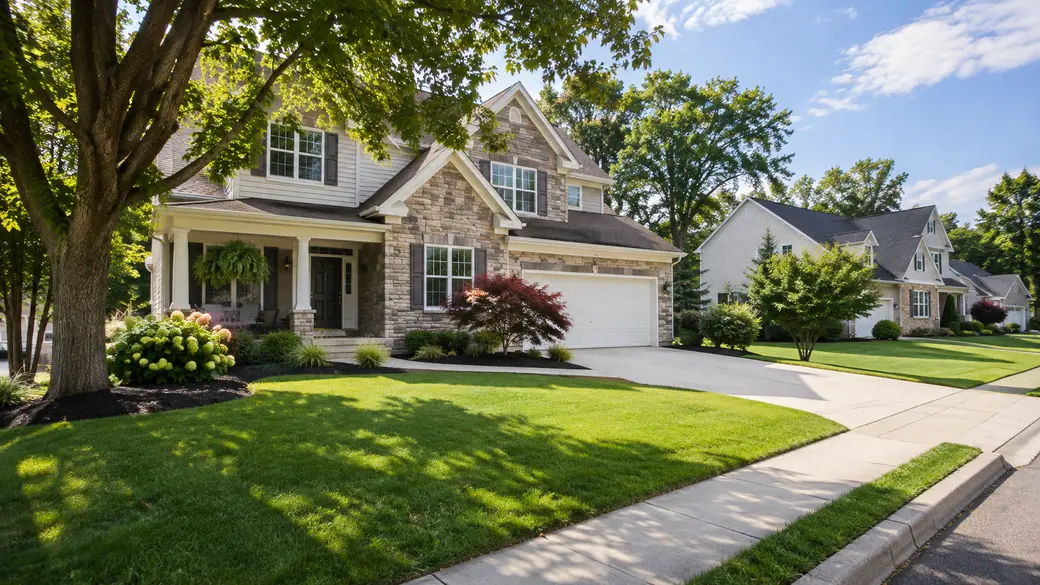
Moving up in Williamstown can be the right choice when a different home would solve a lasting daily need and the full cost fits your financial plan. Williamstown is a census-designated place within Monroe Township, Gloucester County, New Jersey, so it also helps to distinguish between the place you call home and the broader township services and boundaries that may affect your planning.
Life changes, and sometimes your home needs to change with it. A growing household, a new work routine, changing priorities, or the desire for a more functional layout can all make an upgrade worth considering. The goal is not simply to buy a larger home. It is to make a move that improves how your household lives without placing unnecessary pressure on your budget.
This guide helps homeowners decide if, when, and how to move up by looking at lifestyle needs, current equity, timing, and the practical work of selling and buying at the same time.
What It Means to Move Up in Williamstown
Moving up in Williamstown means choosing a home that better supports your current priorities, whether that means more room, a stronger layout, or features that make everyday routines easier.
An upgrade does not have to mean the largest home available. For one household, it may mean an extra bedroom, a larger kitchen, or space for a dedicated office. For another, it may mean a layout that gives family members more privacy, a finished lower level, or flexible rooms that can change purpose over time.
The best move-up decision begins with a clear definition of what "better" means to your household. Make a short list of the frustrations in your current home, then separate must-haves from preferences. That list gives you a more useful standard for comparing homes than square footage alone.
In Williamstown, consider how a prospective home will support your commute, family schedule, storage needs, and preferred way of spending time at home. One additional room can be a meaningful upgrade when it removes a recurring pressure point from daily life.
Common Reasons Homeowners Upgrade
Homeowners usually move up because their daily needs have changed in ways their current home cannot comfortably support.
A growing family can make shared bedrooms, limited storage, and crowded common areas harder to manage. Career changes may create a need for a quiet workspace or a more flexible floor plan. Multigenerational living can call for additional bedrooms, separate gathering areas, or a layout that offers more independence for everyone under one roof.
Lifestyle goals matter too. You may want room to host family, create a hobby area, reduce stair use, or live in a home that feels more aligned with the next stage of life. The key is to focus on improvements that will still matter after the excitement of moving has passed.
A useful exercise is to consider whether the problem is temporary or lasting. If your current home is only inconvenient during a short transition, a move may not be necessary. If the issue affects your routine every week, looking at what Williamstown's neighborhoods offer can help frame the local factors that matter most in your next-home search.
Signs It Might Be Time to Move Up in Williamstown
It may be time to move up in Williamstown when your home's limitations repeatedly interfere with your household's comfort, routines, or future plans.
One common sign is that every available room already has a job, leaving no flexibility when needs change. Another is a layout that creates friction, such as a kitchen that cannot accommodate daily activity or a lack of private space for work, study, or guests.
Financial readiness is another important signal. If you have built meaningful equity, have a manageable monthly budget for the next home, and can handle the costs associated with a transition, you may have more options than you realize. Readiness does not require perfect market conditions. It requires a plan that works under realistic assumptions.
You may also be ready when you can describe your next home clearly. Knowing the number of bedrooms, preferred layout, location priorities, and budget range makes it easier to evaluate whether an available property is a genuine upgrade rather than a lateral move.
Renovate or Move?
Renovating is often the better choice when your current location and home structure still work, while moving can make more sense when the layout cannot efficiently meet your long-term needs.
| Decision point | Renovating may fit when | Moving may fit when |
|---|---|---|
| Location and basic structure | You still value the location and the home's core layout can support changes. | The location, layout, or overall configuration no longer fits your priorities. |
| Long-term function | A focused project would solve the problems likely to matter for years. | Several major changes would still leave important needs unresolved. |
| Expected time in the home | You expect to stay long enough to benefit from the completed work. | Your next stage of life calls for a different type of home sooner. |
| Household disruption | Your household can reasonably manage a construction period. | Construction disruption would create more stress than a coordinated move. |
| Budget comparison | The project creates meaningful function within a comfortable budget. | The cost of multiple changes approaches the cost of finding a better-fitting home. |
Start by identifying the exact problem. Cosmetic updates may improve enjoyment of a home, but they may not solve a shortage of bedrooms, limited storage, or an awkward floor plan. If several major changes would be needed to make the home work long term, compare that investment with the cost of moving into a better-fitting property.
Timing Your Move
The right time to move is when your personal timeline, financial position, and home-search strategy align well enough to support a confident decision.
Market conditions matter, but they are only one part of the picture. Homeowners who are selling and buying at the same time should consider both sides of the transaction together. The proceeds from your current home, the selection of homes that fit your needs, and financing costs all affect the practical shape of your move-up plan.
The current numbers help set expectations. Williamstown's median sale price was about $375,000 in September 2026, up 7.4% year over year, which may boost what your current home contributes to the next purchase. On the other side, the average 30-year fixed mortgage rate was 7.18% as of November 5, 2026, compared with 6.22% a year earlier, so the payment on a larger loan deserves careful testing before you commit.
Your ownership timeline matters as well. The longer you have owned your home, the more likely it is that you have built equity through payments and market changes, although the amount should be reviewed against your remaining loan balance and expected selling expenses.
Local planning checks can make your decision more specific to Williamstown. Before committing to a target area or property, compare your usual travel routes, confirm school attendance boundaries directly with the appropriate district, review property-tax information for the individual home, and consider the maintenance needs created by the home's size, age, and outdoor features. These details can affect whether a home feels like a genuine improvement after move-in.
It also helps to decide how much flexibility you have. Some households can wait for a very specific home, while others need a more predictable schedule because of work or family plans. A clear timeline helps you weigh opportunities without making a rushed decision.
What Kind of Upgrade Fits You?
The right upgrade is the one that improves your everyday life without adding features that do not serve your priorities.
More space is often the starting point, but usefulness matters more than size. A well-designed home with flexible rooms may work better than a larger home with space that goes unused. Consider how you cook, gather, work, rest, and store everyday items. Then look for features that support those habits.
A dedicated office can be valuable for remote or hybrid work. Additional bedrooms may give family members more privacy. A larger living area can make hosting easier, while a better kitchen layout may reduce daily stress. Some buyers prioritize a primary suite, more storage, or a home that allows household members to spread out when needed.
Keep your target list focused. Separate nonnegotiable needs from preferences before you begin touring homes. This approach helps you identify a meaningful upgrade rather than being distracted by features that do not improve your routine.
What to Do with Your Current Home
Most move-up homeowners need a coordinated plan for selling their current home and purchasing the next one.
The first step is to understand what your current home could contribute to the next purchase after the existing loan balance and transaction costs are considered. That estimate affects your down payment options, monthly payment range, and timing choices.
The sequence of your sale and purchase should reflect your financial flexibility, household timeline, and comfort with uncertainty.
| Consideration | Sell first, then buy | Buy first, then sell |
|---|---|---|
| Funds for the next purchase | Provides a clearer view of proceeds available for the next home. | May require access to funds before proceeds from the current home are available. |
| Home search flexibility | Can create pressure to find the next home within a defined timeline. | Can provide more time to secure a home that better matches your priorities. |
| Timing pressure | May require a flexible move date if the right next home is not immediately available. | Requires careful coordination if both homes overlap for a period. |
| Overall comfort level | Often fits households that value certainty around their sale proceeds. | Often fits households with greater financial flexibility and a clear purchase strategy. |
Preparing early can reduce stress. Decluttering, completing minor repairs, gathering loan information, and reviewing comparable Williamstown homes can make the process more manageable, and a clear listing preparation plan keeps the sale side on schedule. A realistic estimate of your current home's value is a practical starting point for understanding how it fits into the larger plan.
Understanding Your Equity and Budget
Your equity and budget determine whether a move-up purchase is comfortable, not just whether it is technically possible.
Equity is generally the difference between your home's estimated market value and the amount you still owe on your mortgage. However, the amount available for your next move is not simply that difference. You also need to account for the costs of selling, including the New Jersey Realty Transfer Fee, as well as moving, purchasing, and maintaining a different home.
For the next purchase, look beyond the mortgage payment. Consider property taxes, insurance, utilities, maintenance, furnishing needs, and the financial room you want to preserve for savings and other priorities. A larger payment can be manageable on paper but still feel restrictive if it leaves little flexibility for normal life.
Veterans moving up with VA financing may be able to buy with little or no down payment, but should ask their lender how remaining entitlement works if the current home also carries a VA loan.
Use a conservative approach when setting your price range. Test several payment scenarios and consider how each one would affect your complete monthly budget and long-term goals. The goal is to choose a range that supports the life you want after the move, not merely the highest amount you may be able to finance.
Moving up in Williamstown is easier to evaluate when you have a clear view of your goals, equity, and timing. The best next home is one that solves meaningful problems, fits your budget, and supports the way you expect to live in the years ahead.
Thinking About Moving Up in Williamstown?
MaryAnne Verfaillie is a broker-associate with KW Empower who has been licensed in New Jersey and Pennsylvania since 1995. She helps Williamstown homeowners coordinate a sale and purchase, assess equity, prepare and price the current home, and set a workable next-home budget. Call or text (609) 816-1199, email citytotheshore@kw.com, or get in touch here to talk through your plans.
Frequently Asked Questions
How do I know if I'm ready to move up?
You may be ready to explore a move-up home when your current space consistently conflicts with your household's needs and your finances can support a change. Start by defining the problems your next home must solve, then evaluate equity, monthly costs, and timing as one plan.
How much equity do I need to move up?
The amount of equity you need depends on the price of the next home, your remaining mortgage balance, expected selling costs, and your intended down payment. The important question is whether your expected proceeds can support the full transition while preserving room for your other financial priorities.
Should I sell or buy first?
Selling first may offer clearer information about available proceeds, while buying first can offer more time to find the right property. The better sequence depends on your available funds, timeline, and comfort with coordinating two transactions.
Is moving up worth giving up a low interest rate?
A favorable existing interest rate has value, but it should be weighed against the practical benefits of a home that serves your household better. with the average 30-year fixed rate at 7.18% as of November 5, 2026, compare the complete cost of the next home with the improvements you expect to gain over the years ahead.
Categories
Recent Posts








Broker-Associate, NJ & PA License ID: NJ 9591467 - PA AB069513
+1(609) 816-1199 | citytotheshore@kw.com